If you're building in the Sierra foothills, one code chapter shapes your home more than any other: Chapter 7A of the California Building Code — the rules for construction in wildfire-prone areas. (Since January 1, 2026, those rules live in the state’s new Wildland-Urban Interface Code, Title 24, Part 7. Builders and inspectors still call it Chapter 7A, and so do we.) Most of our service area falls under it, most of our portfolio was built to it, and understanding it early is the difference between a line item and a redesign.
What Chapter 7A actually requires
Chapter 7A applies to homes in designated fire-hazard severity zones and governs the building's envelope — every surface where an ember could land or heat could enter:
- Class A roofing — the highest fire rating, standard on our builds.
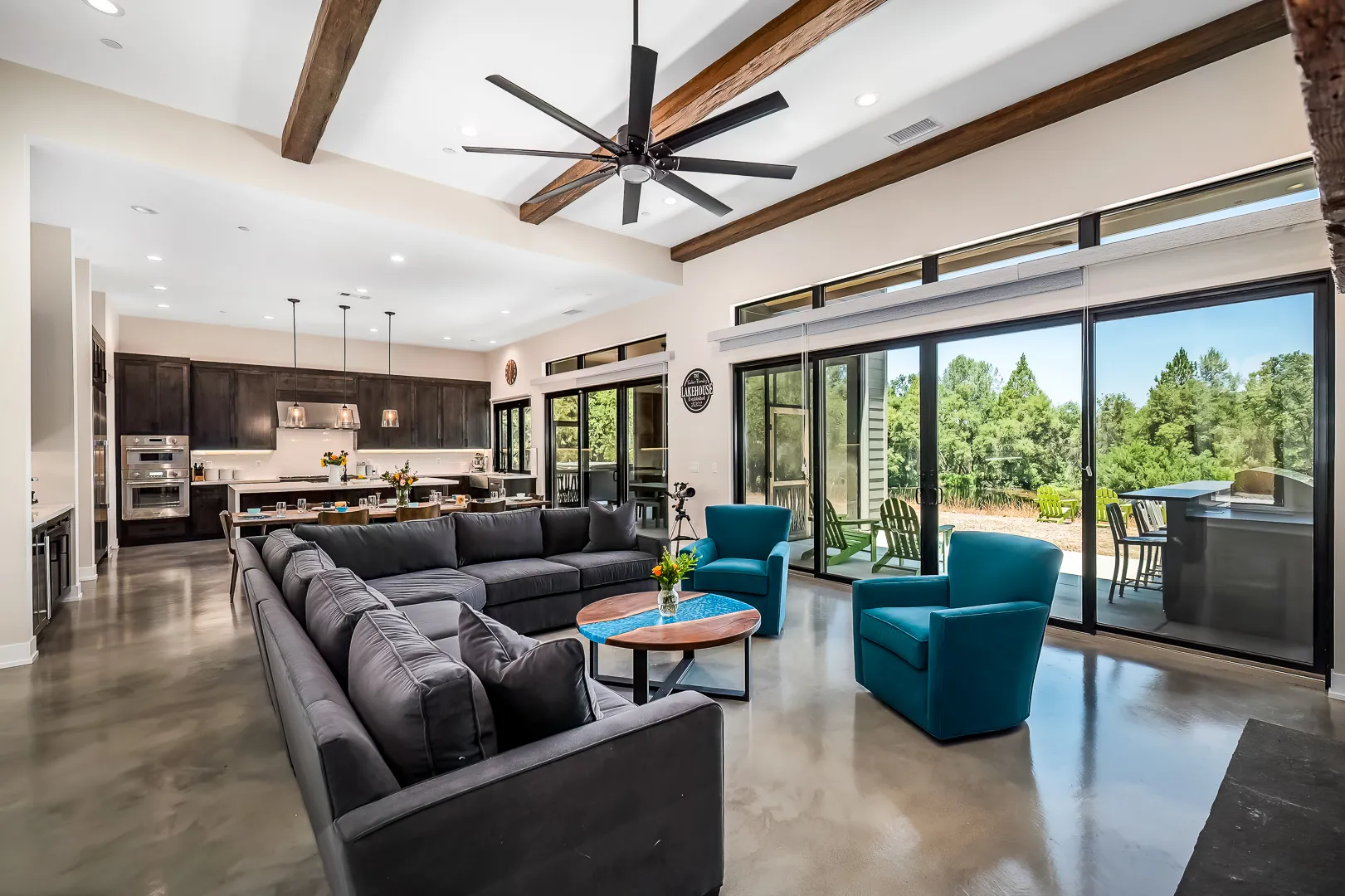
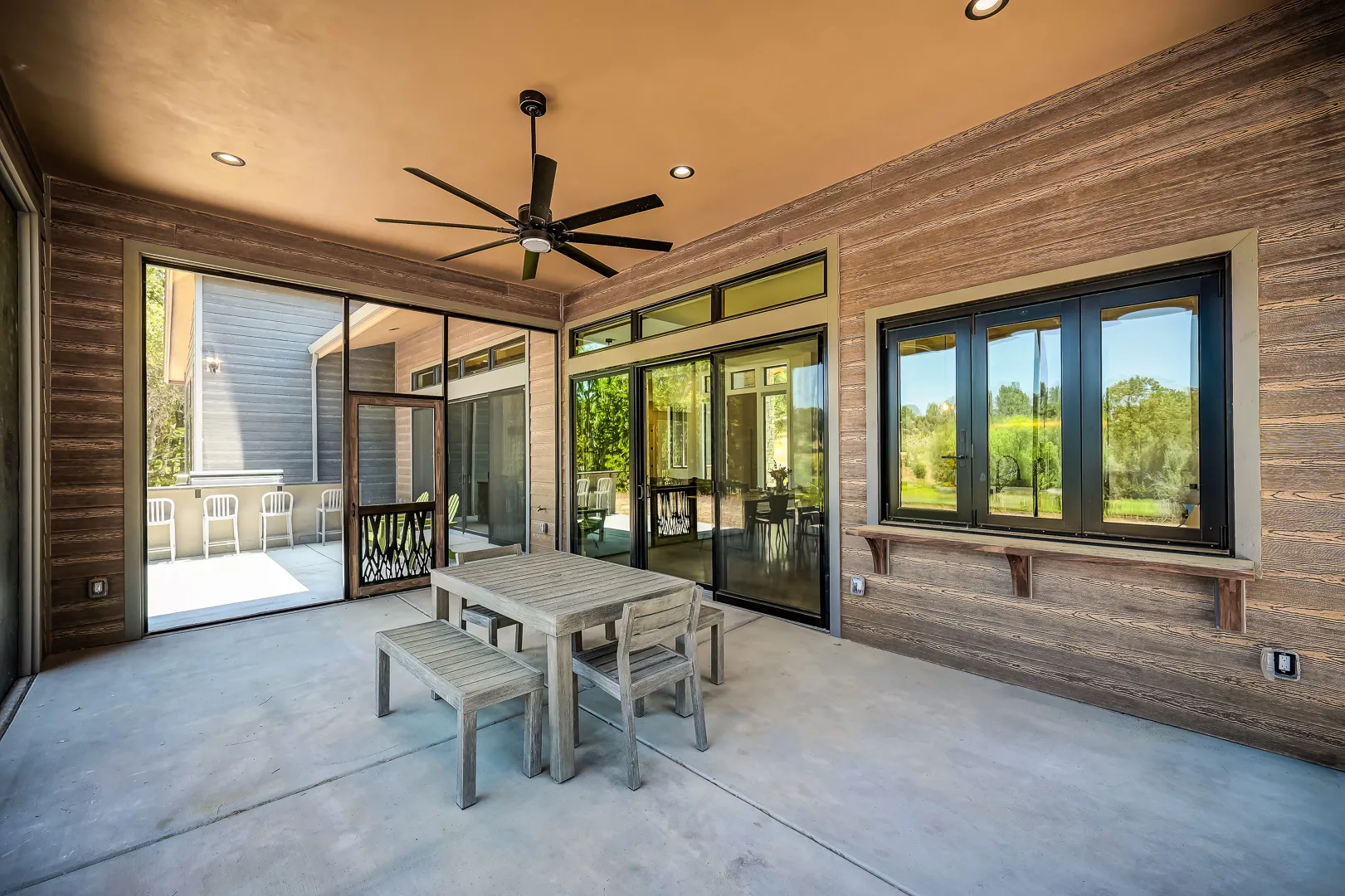
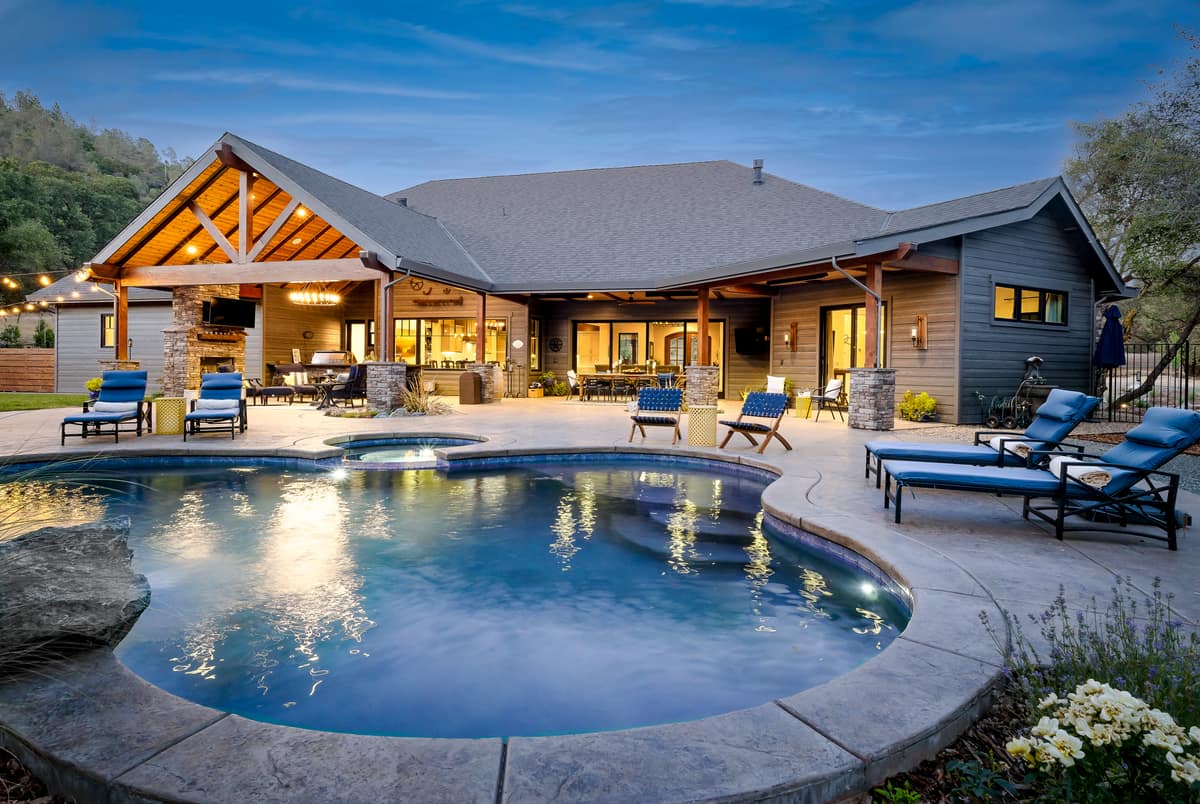
- Ignition-resistant siding — fiber cement, stucco, and other tested assemblies (much of the "mountain modern" look you see in our gallery is fire-rated by design).
- Ember-resistant vents — because most homes lost in wildfires ignite from embers entering vents, not from direct flame.
- Tempered glazing and enclosed eaves — closing the small vulnerabilities that matter in an ember storm.
- Interior fire sprinklers — required in new California homes, and standard in ours.
Defensible space: the other half of fire-wise
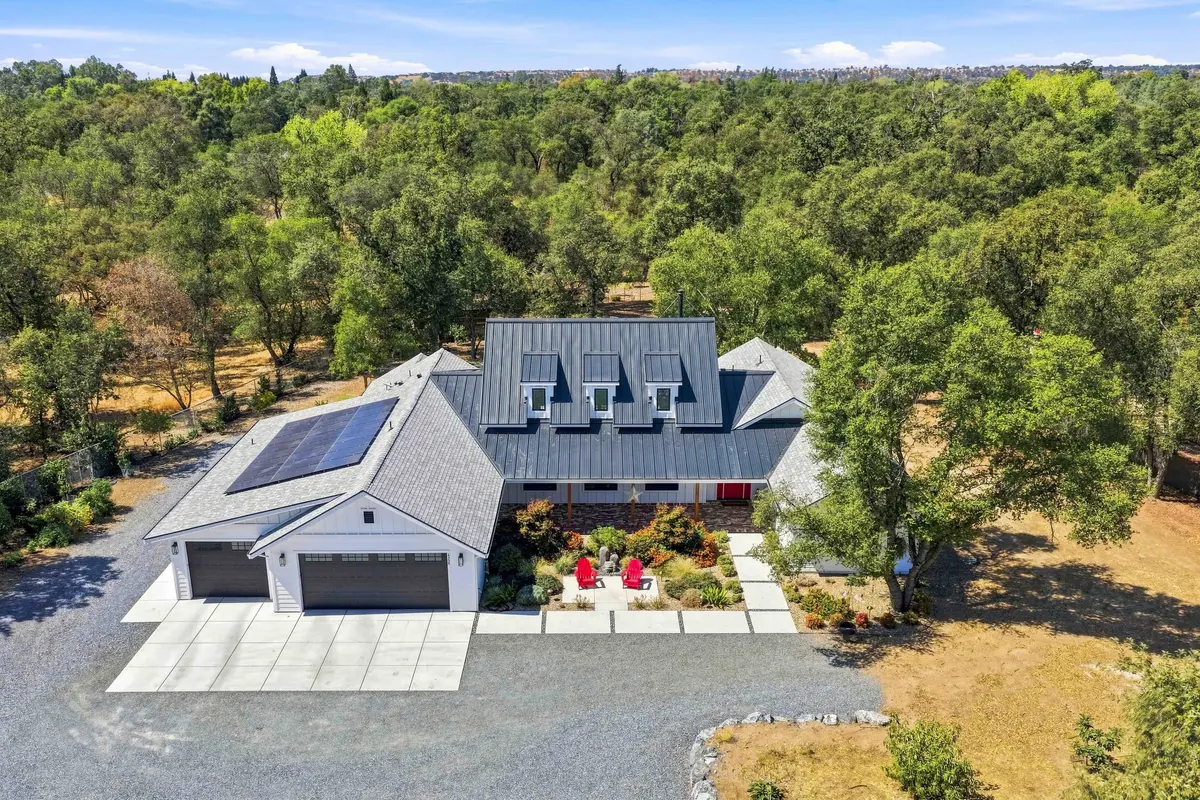
The building code protects the structure; defensible-space rules protect its surroundings. California requires managed zones around the home — and the smart move is designing the landscape, hardscape, and driveway access with the house rather than after it. A well-placed patio or a stone courtyard isn't just beautiful; it's Zone 0 doing its job.
What it means for your budget
Fire-hardening is a real line item — and a far smaller one when it's planned from the first site visit instead of value-engineered in at permit time or retrofitted after. On our projects, Chapter 7A requirements are baked into the earliest budget conversations, alongside the parcel's specific fire-severity designation. That's part of why our clients break ground knowing their real number: the fire zone is in the plan, not waiting to surprise it. (For the broader picture of what moves a foothill budget, see our 2026 cost guide.)
Does a fire-hardened home help with insurance?

Increasingly, yes. Insurers writing foothill policies look at construction standards and defensible space, and a home built to modern Chapter 7A standards — with documentation from the build — generally presents far better to underwriters than older housing stock. We provide that documentation as part of every project.
Building somewhere specific?
Fire-severity designations vary parcel by parcel across Auburn, Meadow Vista, Grass Valley, and the rest of our nineteen-town service area. Our full fire-resistant building guide covers the details — or bring us your parcel and we'll map its exact requirements in a free consultation: (916) 626-6000.